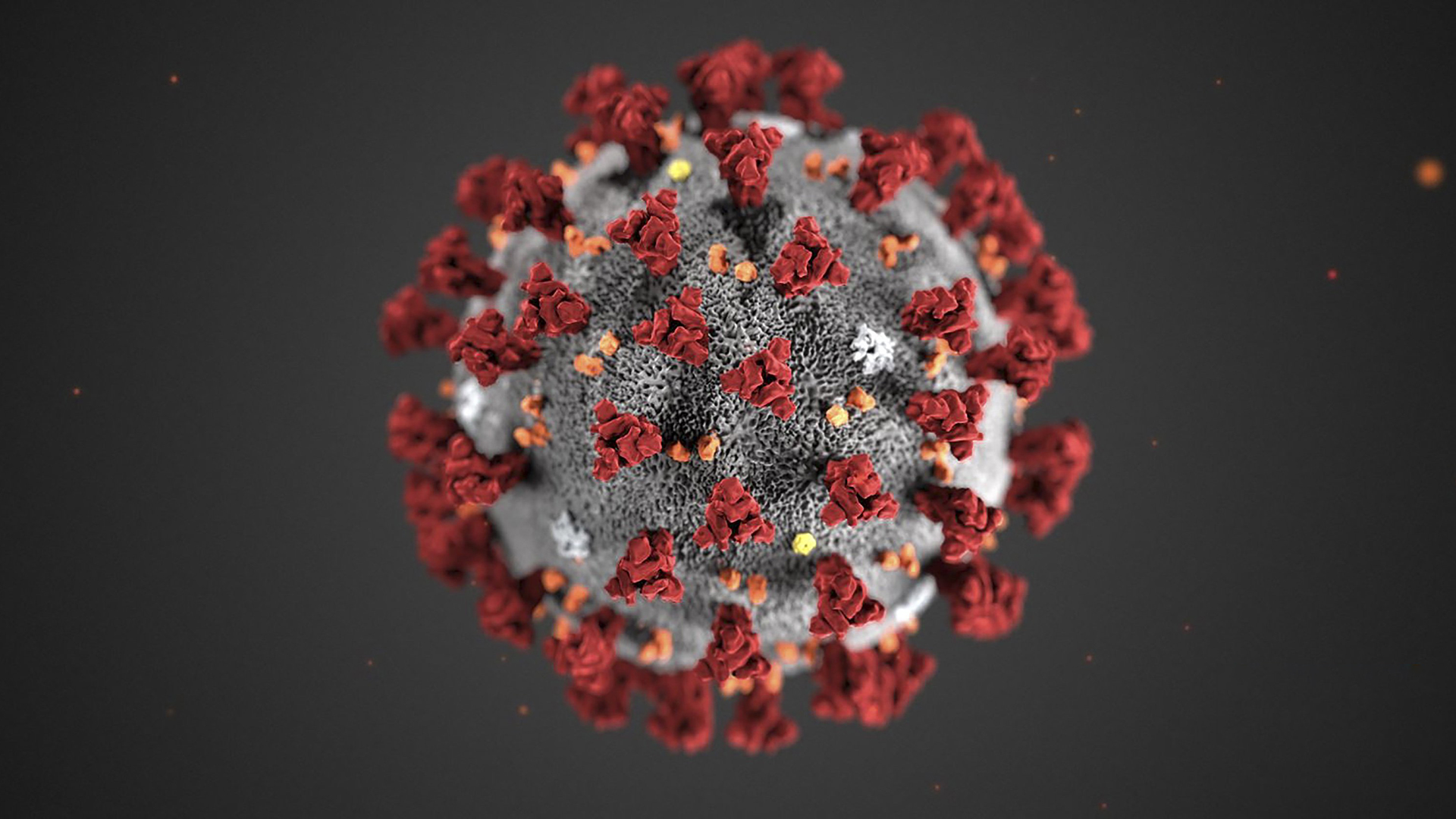
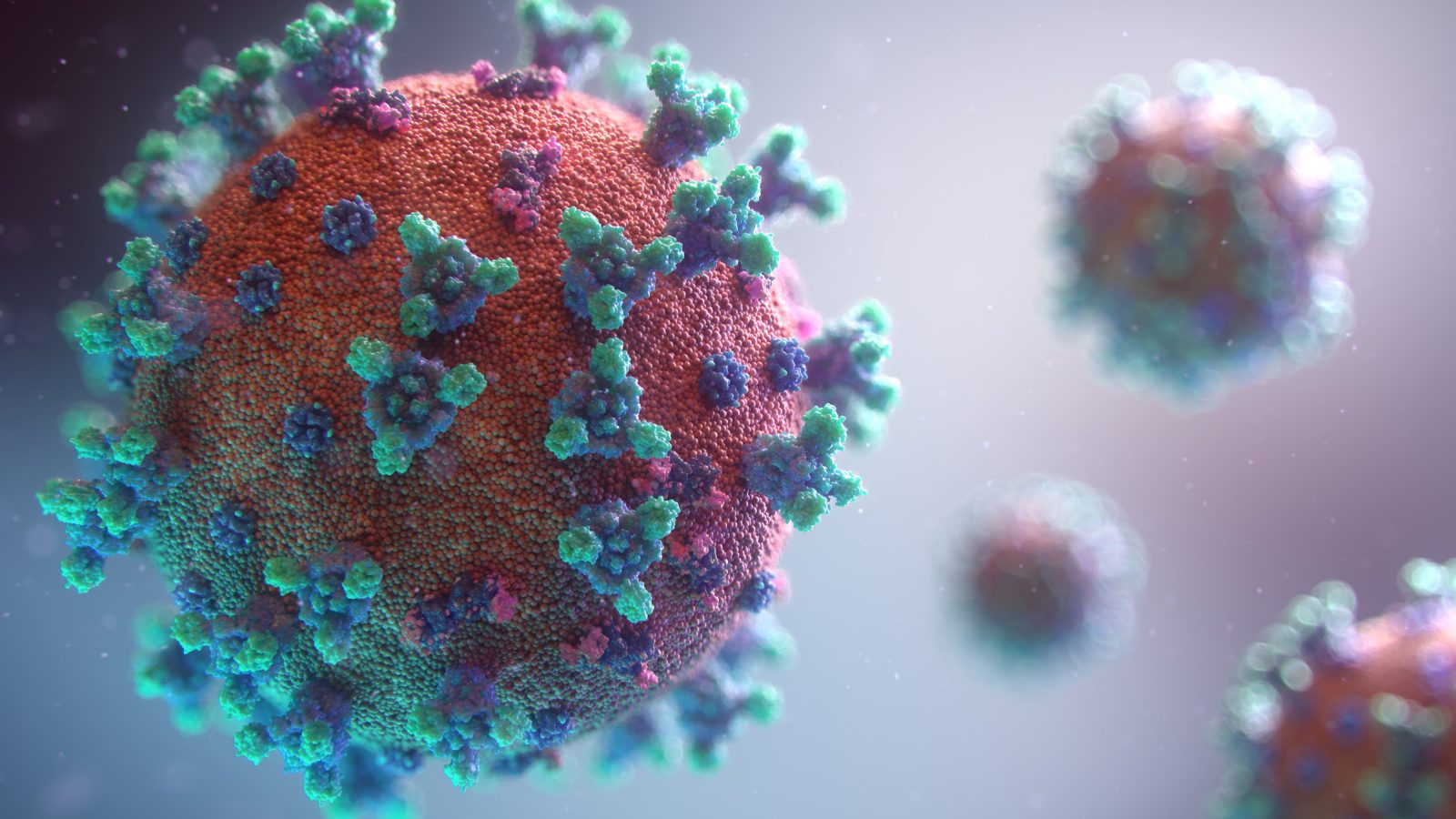
Coronavirus nCOV(COVID-19) disease is an infectious disease caused by a newly discovered coronavirus. Coronaviruses are a group of related RNA viruses that cause diseases in mammals and birds. In humans, these viruses cause respiratory tract infections. Mild illnesses include some cases of the common cold, while more lethal varieties can cause SARS, MERS, and COVID-19.
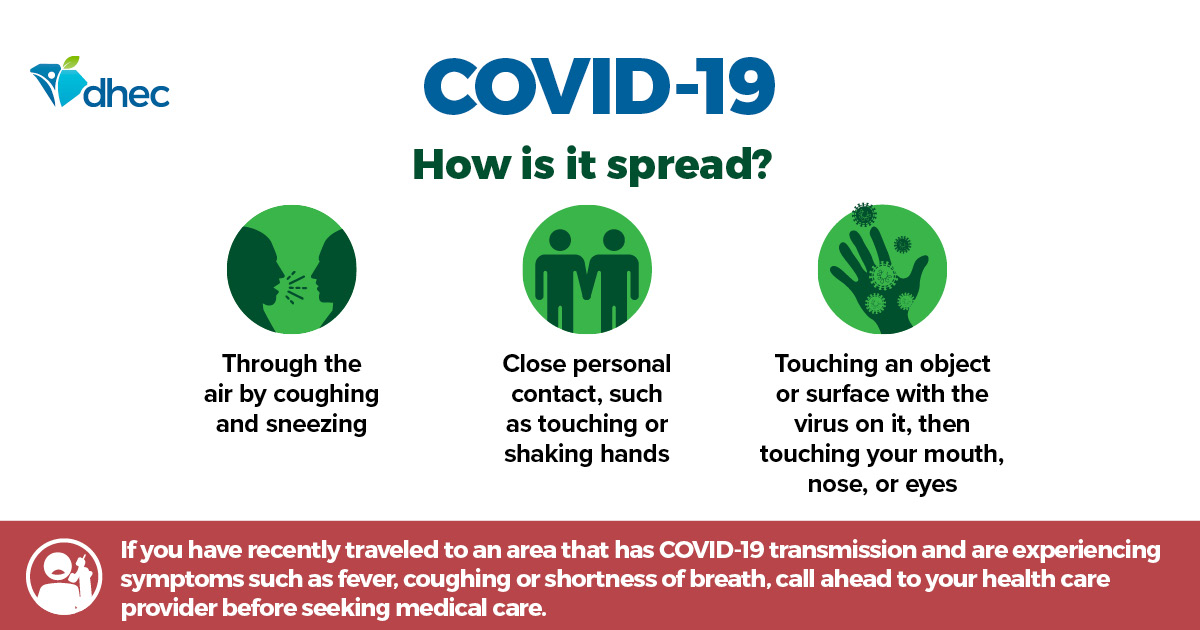
The virus that causes COVID-19 is mainly transmitted through droplets generated when an infected person coughs, sneezes, or exhales. These droplets are too heavy to hang in the air, and quickly fall on floors or surfaces. You can be infected by breathing in the virus if you are within close proximity of someone who has COVID-19, or by touching a contaminated surface and then your eyes, nose or mouth.
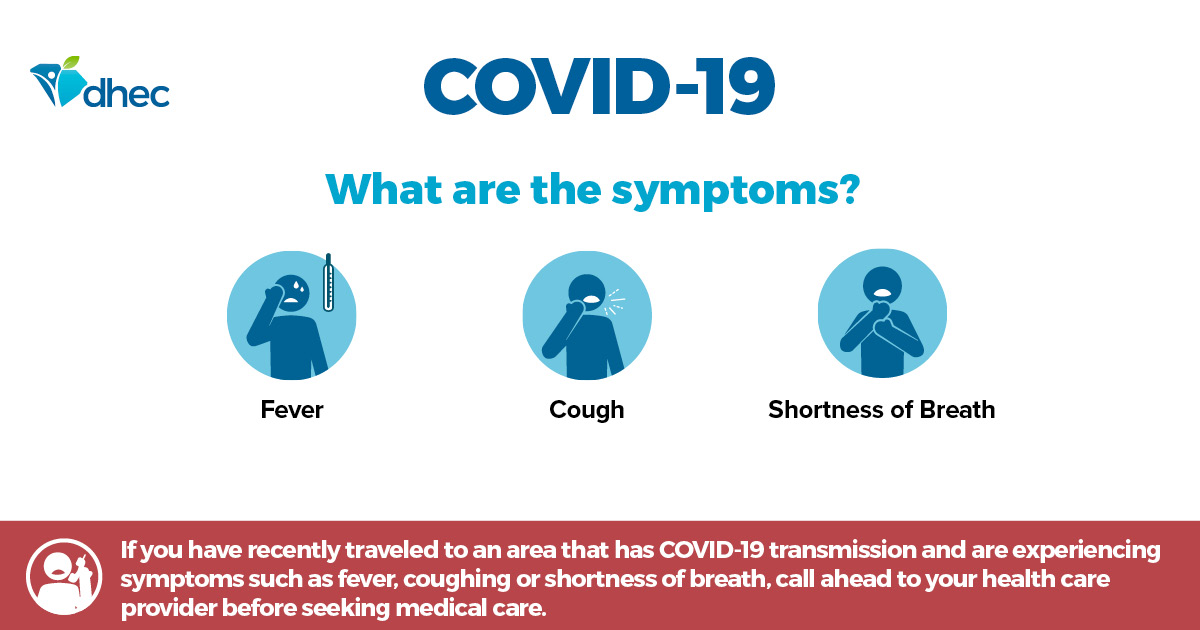
Most common symptoms: fever dry cough tiredness
Less common symptoms: aches and pains sore throat diarrhoea conjunctivitis headache loss of taste or smell a rash on skin, or discolouration of fingers or toes
Serious symptoms: difficulty breathing or shortness of breath chest pain or pressure loss of speech or movement
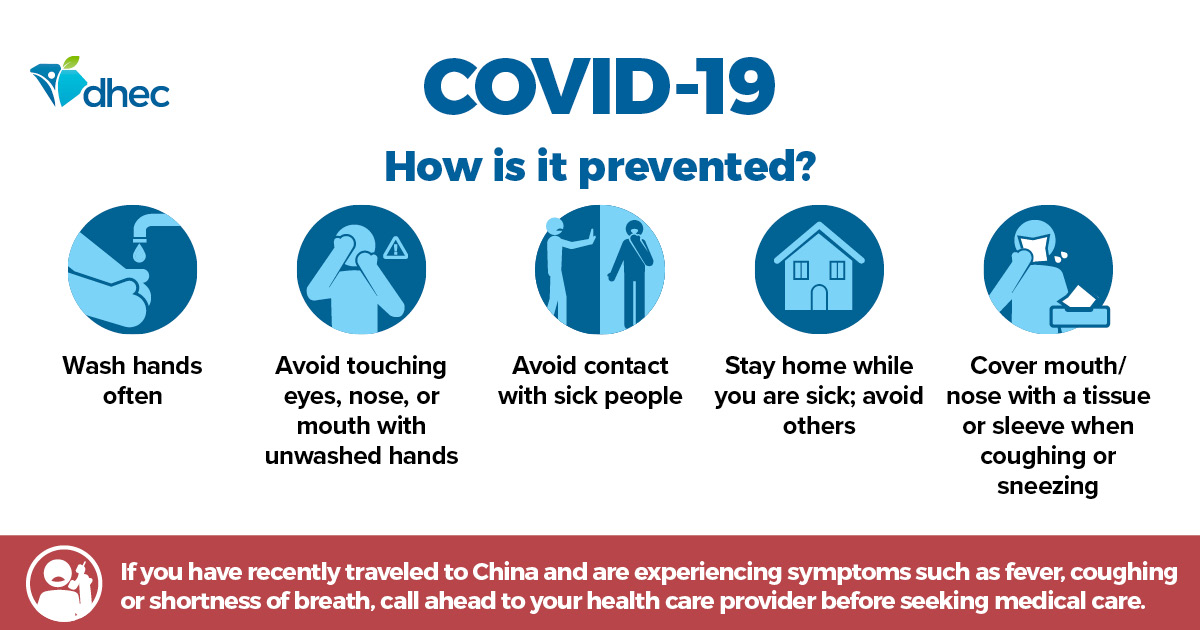
To prevent the spread of COVID-19: